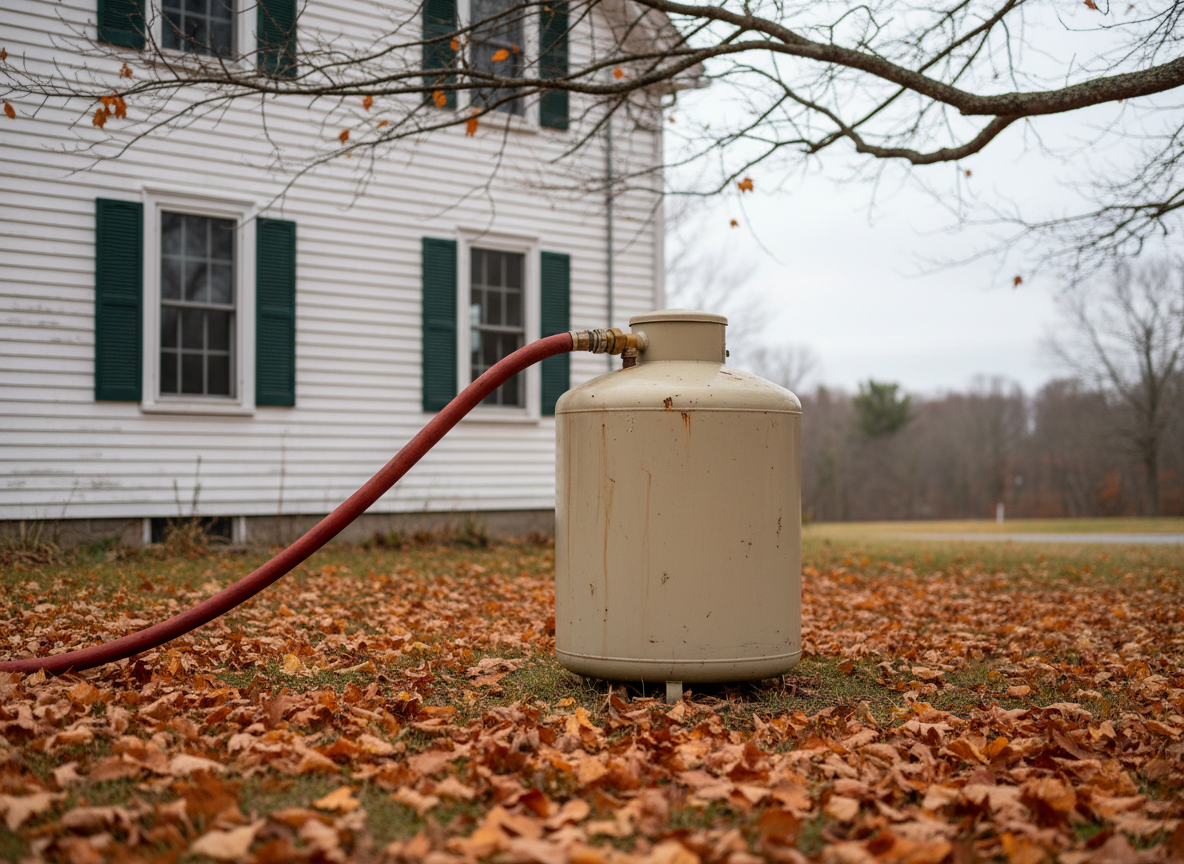
Households that heat with oil should expect to spend about 21% more this winter, while the roughly half of US homes that use natural gas or propane are on track to spend less, according to the US Energy Information Administration’s Winter Fuels Outlook, published on October 6.
Key takeaways
- Heating oil homes: average winter spending forecast at about $2,115, up 21%, with heating oil prices up more than 30% from last winter.
- Natural gas homes: about $640, down 9%; propane homes: about $1,246, down 3%; electrically heated homes: about $1,196, up 4%.
- The squeeze is concentrated in the Northeast, where most of the roughly 4 million oil-heated US homes are located.
What happened
Every October, the EIA publishes a forecast of what American households will spend on heating between October and March. This year’s edition, released alongside the agency’s monthly Short-Term Energy Outlook, describes a split winter: cheaper for most homes, sharply more expensive for a small but concentrated group.
The driver is a tight market for distillate fuels, the family that includes both diesel and home heating oil. Reduced global refinery output, strong overseas demand for US fuel exports and disrupted oil flows linked to the conflict involving Iran and the Strait of Hormuz have pushed distillate prices higher. According to Reuters’ report on the outlook, East Coast distillate inventories in September were 32% below their five-year seasonal average, and the EIA expects them to stay 20% to 30% below average through the heating season. The agency’s forecast puts the average residential heating oil price at about $5.26 a gallon this winter, roughly a third higher than a year ago.
Natural gas tells the opposite story. Strong production growth means US storage is expected to enter the winter about 2% above its five-year average, which limits price pressure. “Relatively high natural gas inventories entering the winter season provide a cushion for heating demand, while households that rely on heating oil face higher prices because distillate markets remain tight,” EIA Administrator Tristan Abbey said.
Weather is the other big variable. The EIA assumes national winter temperatures close to last winter and the 10-winter average, with a slightly milder Northeast. That milder outlook is why oil-heated homes are expected to burn about 9% less fuel, which is why spending rises less (21%) than the price per gallon (30%-plus). A colder-than-forecast winter would push all of these numbers higher.
What it means for your bill
Here is how the EIA’s averages translate for a typical oil-heated home. These are national averages for the whole October–March season; your own bill depends on your home’s size, insulation, thermostat settings and local prices.
- Fuel needed: $2,115 ÷ $5.26 per gallon ≈ 400 gallons for the season.
- Last winter’s price: a 34% rise to $5.26 implies about $3.93 a gallon a year ago ($5.26 ÷ 1.34).
- Same 400 gallons, two prices: 400 × $3.93 = $1,572 versus 400 × $5.26 = $2,104, a difference of about $530 if the weather matched last winter’s.
- With the milder forecast: the EIA’s 21% increase implies last winter’s bill was about $1,750 ($2,115 ÷ 1.21), so the expected extra cost is about $365, or roughly $60 a month over six months.
For other fuels, the same arithmetic gives a smaller change. A natural gas home spending $640 instead of about $703 saves roughly $63 for the season. A propane home at $1,246 instead of about $1,285 saves around $39. An electrically heated home at $1,196 instead of about $1,150 pays roughly $46 more. Those figures come from dividing the EIA’s forecasts by its percentage changes, so treat them as approximate.
Remember too that these are heating costs only. Your full gas or electric bill also includes fixed customer charges and any rate increases your utility has been granted, which vary widely by state.
What you can do
- Compare oil dealers and payment plans. Heating oil is sold by local dealers, and prices can differ noticeably between them. Ask about budget plans that spread costs evenly, and read the terms of any fixed-price or capped contract carefully before signing, since those lock in today’s high prices too.
- Get the burner serviced. A tune-up and clean nozzle and filter help an oil furnace or boiler burn efficiently, so less of each expensive gallon is wasted.
- Cut the heat you lose. Sealing drafts and lowering the thermostat at night or while you are out reduce the gallons you need. The Department of Energy estimates that turning the thermostat back 7–10°F for eight hours a day can save up to 10% a year on heating and cooling. Our guide to saving on heating this winter and our weatherstripping guide explain how.
- Check assistance early. Income-eligible households can apply for help through the federal Low Income Home Energy Assistance Program (LIHEAP), run by states and local agencies. Many dealers and utilities also offer hardship programs, and applying before the coldest months avoids delays.
Sources
- US Energy Information Administration – Short-Term Energy Outlook and Winter Fuels Outlook (October 6, 2026)
- Reuters via Investing.com – EIA expects a mixed picture for US households’ winter fuel costs this year
- Yahoo Finance – Home heating oil costs rising 21% this winter, EIA says
- US Department of Energy – Programmable thermostats
- HHS Administration for Children and Families – LIHEAP
Written by The Daily Economy editorial team with AI assistance and checked against the sources above. Read our editorial policy.