SpaceX is in talks to borrow about $40 billion to buy Nvidia AI chips, according to reports from the Financial Times, Reuters and Bloomberg. It is one of the largest borrowing plans linked to the AI boom so far, and it has revived a familiar question: how much of the AI build-out is now being paid for with debt?
Key takeaways
- SpaceX is reportedly seeking about $40 billion, roughly $10 billion in bank loans and $30 billion in investment-grade debt, to buy Nvidia chips for its data centers.
- The talks are described as preliminary. Apollo is expected to lead the deal and PIMCO is reported to be in discussions. SpaceX shares fell about 2% when the news broke.
- The cost of insuring SpaceX debt against default rose to a record, a sign that lenders want more compensation as the company borrows more.
Why everyone is talking about it
SpaceX is now one of the most widely held and most discussed stocks in the market after its record-breaking stock market debut in June. A $40 billion loan to buy chips rather than rockets touches several big money stories at once: the AI spending race, Nvidia’s dominance and the growing role of debt.
The timing adds to the attention. Long-term US borrowing costs are at their highest in more than two decades, with the 10-year Treasury yield around 5.3% this week, as we covered in our report on stocks slipping from records. Big new debt deals are harder to ignore when money is this expensive.
The facts so far
- The amount: about $40 billion, first reported by the Financial Times and confirmed by Reuters, citing two people familiar with the talks.
- The structure: roughly $10 billion of bank loans and $30 billion of investment-grade bonds or similar debt.
- Who is involved: Apollo Global Management is expected to lead the financing and spread the debt among many investors; bond manager PIMCO is reported to be in talks. Apollo and PIMCO declined to comment to Reuters.
- The status: Bloomberg described the talks as preliminary, meaning they may not end in a completed deal.
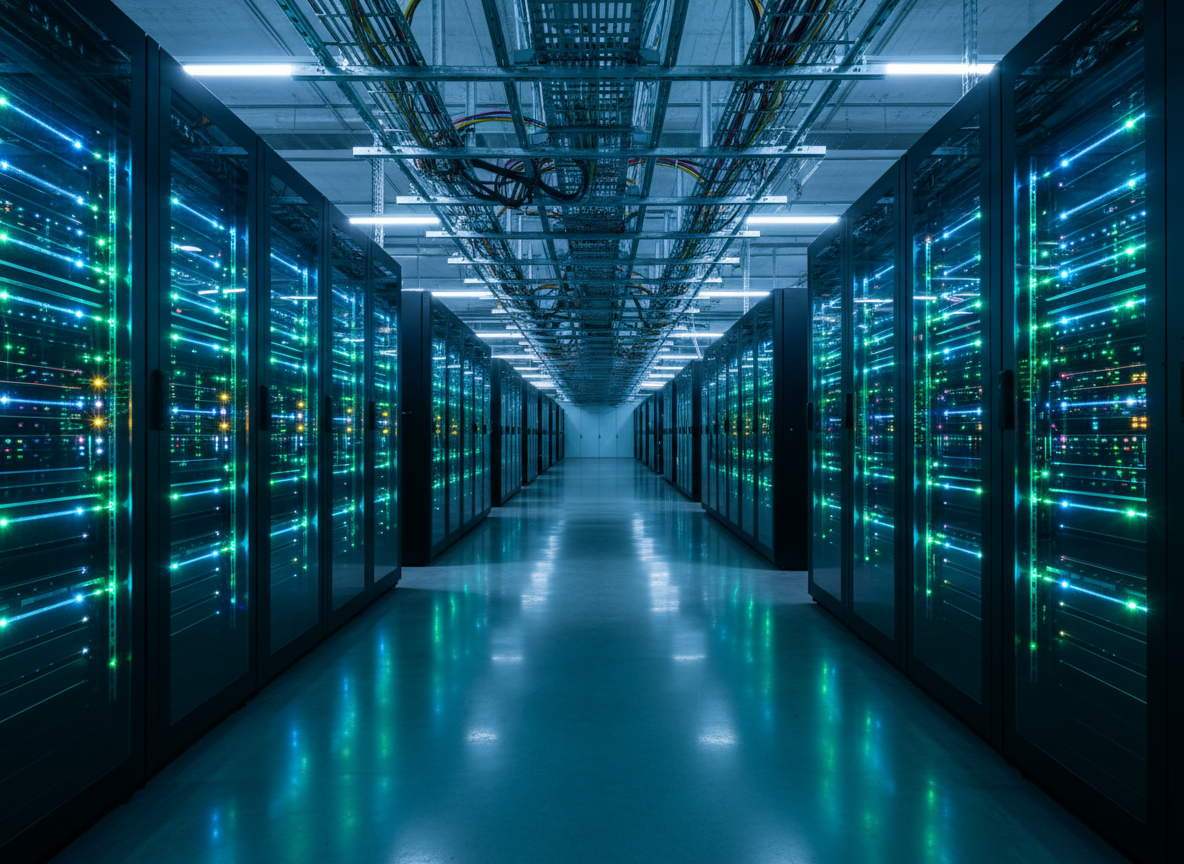
- The purpose: Nvidia chips for SpaceX’s AI data centers, including the Colossus 2 site in Memphis, Tennessee. Elon Musk said last month that Colossus 2 could more than double its number of Nvidia chips by December.
- The market reaction: SpaceX shares fell about 2% in early trading on October 7, and five-year credit default swaps on its debt climbed to a record close to 200 basis points, according to market data cited in reports.
If completed, the deal would follow the $25 billion investment-grade bond SpaceX sold in June, its first. That means the company would more than double its bond and loan borrowing in less than a year.
The background
For years, SpaceX made its money mainly from rocket launches and its Starlink satellite internet service. Since combining with Musk’s AI business, it has also become a major buyer of AI computing power, which it uses itself and rents out to others. That kind of business needs huge upfront spending: the chips, buildings, power and cooling all have to be paid for long before the revenue arrives.
Think of it like a landlord borrowing to build an apartment block. The loan is paid back from rent over many years. It works if tenants keep paying, but strains if rents fall. AI chips age quickly, so lenders are effectively betting that demand for AI computing stays strong long enough for the investment to pay off.
SpaceX is not alone. Morgan Stanley has estimated that AI infrastructure will need about $1.5 trillion of outside financing by 2028, and private credit firms such as Apollo have become key lenders. A credit default swap, the measure that hit a record, works like an insurance policy on a company’s debt: the higher its price, the more nervous lenders are. Analyst Dan Ives of Yorkville Ives, who rates the stock positively, told Yahoo Finance the money provides “firepower” for the AI build-out, while questioning how much debt a newly listed company should carry.
What it means for your money
Most people will never buy a SpaceX bond directly, but many already have some exposure. Large companies like SpaceX and Nvidia sit in many index funds, and investment-grade corporate bond funds may end up holding part of this kind of debt.
A simple worked example shows why borrowing costs matter. Suppose a company pays 1.5 percentage points more than the US government on a 10-year loan. With the 10-year Treasury near 5.3%, that is about 6.8% a year. On $30 billion, the interest bill would be about $2 billion every year. These figures are illustrative, not the actual deal terms, which have not been made public. The point is that higher rates make debt-funded projects need bigger returns to break even.
For savers, the practical takeaways are general: check how concentrated your funds are in a handful of big tech names, and remember that bond funds also carry company risk, not just interest-rate risk. This is general information, not financial advice.
What to watch next
- Whether the talks turn into a signed deal, and at what interest rate.
- How credit rating agencies respond to the extra borrowing, and whether credit default swap prices keep rising.
- Nvidia’s next results, which will show how much AI chip demand is still growing (see our explainer on Nvidia’s near-$6 trillion value).
- US Treasury yields and Fed decisions, which set the baseline cost of all this borrowing. Key dates are on our economic calendar.
Sources
- Reuters via BNN Bloomberg: SpaceX seeks US$40 billion financing to buy Nvidia chips, sources say
- Bloomberg: SpaceX seeks $40 billion debt deal to buy Nvidia chips
- Bloomberg: SpaceX credit risk jumps to record as fundraising talks emerge
- Yahoo Finance: SpaceX stock slips on report of $40 billion in new debt
- Quartz: SpaceX seeks $40 billion in debt financing for Nvidia AI chips
- Crypto Briefing: SpaceX credit-default swaps begin trading after $25B bond sale
Written by The Daily Economy editorial team with AI assistance and checked against the sources above. Read our editorial policy.