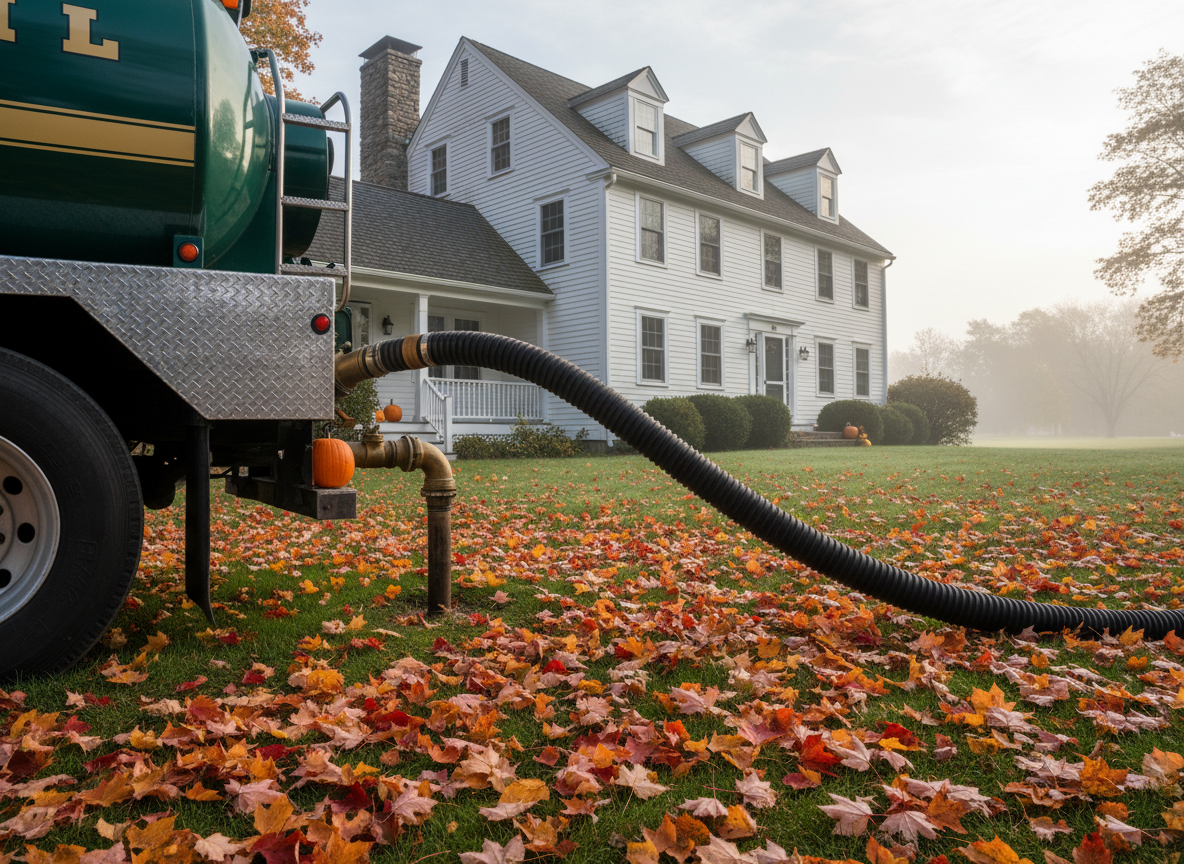
More than 100 members of Congress have asked the Department of Health and Human Services to send federal heating aid (LIHEAP) to states by November 1, warning that households who heat with oil face a far more expensive winter than last year.
What happened
In a bipartisan letter dated September 25, 2026, Representatives Lori Trahan (Massachusetts) and Chris Pappas (New Hampshire) led a group of House members asking HHS Secretary Robert F. Kennedy Jr. to distribute Low Income Home Energy Assistance Program funds to states quickly and no later than November 1. The letter also asks the department to share staffing details for the office that runs the program.
The lawmakers point to two pressures. First, crude oil topped $100 a barrel in April and again in mid-September, which feeds directly into heating oil prices. Second, LIHEAP payments have been delayed in past years. According to the letter, a typical heating-oil household can expect to spend about $2,300 over the coming winter. Unlike gas or electric customers, oil and propane customers usually pay upfront for each delivery, so late aid can mean an empty tank rather than a bill that waits.
Local data shows the scale of the jump. New Hampshire Public Radio reported on September 29 that heating oil averaged about $5.28 a gallon in the state in early September, roughly 60% more than a year earlier, while propane was up around 14%. Heating oil is most common in New England; nationally only a small share of homes use it.
LIHEAP helps roughly 6 million households a year pay heating and cooling costs. Funding for fiscal 2026 was about $4 billion, but the program only reaches a minority of eligible households, and states cannot open full benefit rounds until federal money arrives.
What it means for your bill
If you heat with oil, the price per gallon matters more than almost anything else. Here is a simple illustration for a home that burns about 500 gallons over a winter:
- At about $3.30 a gallon (roughly last fall’s price in New Hampshire): 500 × $3.30 ≈ $1,650
- At about $5.28 a gallon (early September 2026): 500 × $5.28 ≈ $2,640
That is close to $1,000 more for the same amount of heat. Your own usage depends on home size, insulation and climate, so check last winter’s delivery receipts to estimate yours.
Electric heat is not immune: NHPR reported Eversource’s New Hampshire winter supply rate at 17.32 cents per kWh, up about 10% from last year. But for many homes a heat pump still costs less per unit of heat than oil at today’s prices. Our guide on heat pump vs furnace costs walks through the math.
If you qualify for LIHEAP, the timing of federal funds decides when your state can pay benefits. Late funding can leave you covering early-season deliveries on your own.
What you can do
- Apply early. Contact your local community action agency or state LIHEAP office now so your application is ready when funds arrive. Eligibility is income-based and set by each state.
- Ask your dealer about price plans. Many oil and propane dealers offer budget plans, pre-buy or capped-price contracts. Compare the terms carefully, and read our look at budget billing pros and cons.
- Cut the gallons you need. Air sealing, attic insulation and a boiler or furnace tune-up reduce fuel use every winter. See how to save on heating this winter for 15 practical steps.
- Don’t wait for an empty tank. Emergency deliveries can carry extra fees. Order when the tank is around a quarter full.
Sources
- Office of Rep. Chris Pappas – press release and letter to HHS (Sept. 25, 2026)
- Office of Rep. Lori Trahan – bipartisan call to distribute energy assistance funding
- NHPR – There’s no escaping higher prices for heating, whatever fuel you use (Sept. 29, 2026)
- Utility Dive – Federal energy assistance programs survive budget gauntlet
- U.S. EIA – Weekly heating oil and propane prices
Written by The Daily Economy editorial team with AI assistance and checked against the sources above. Read our editorial policy.