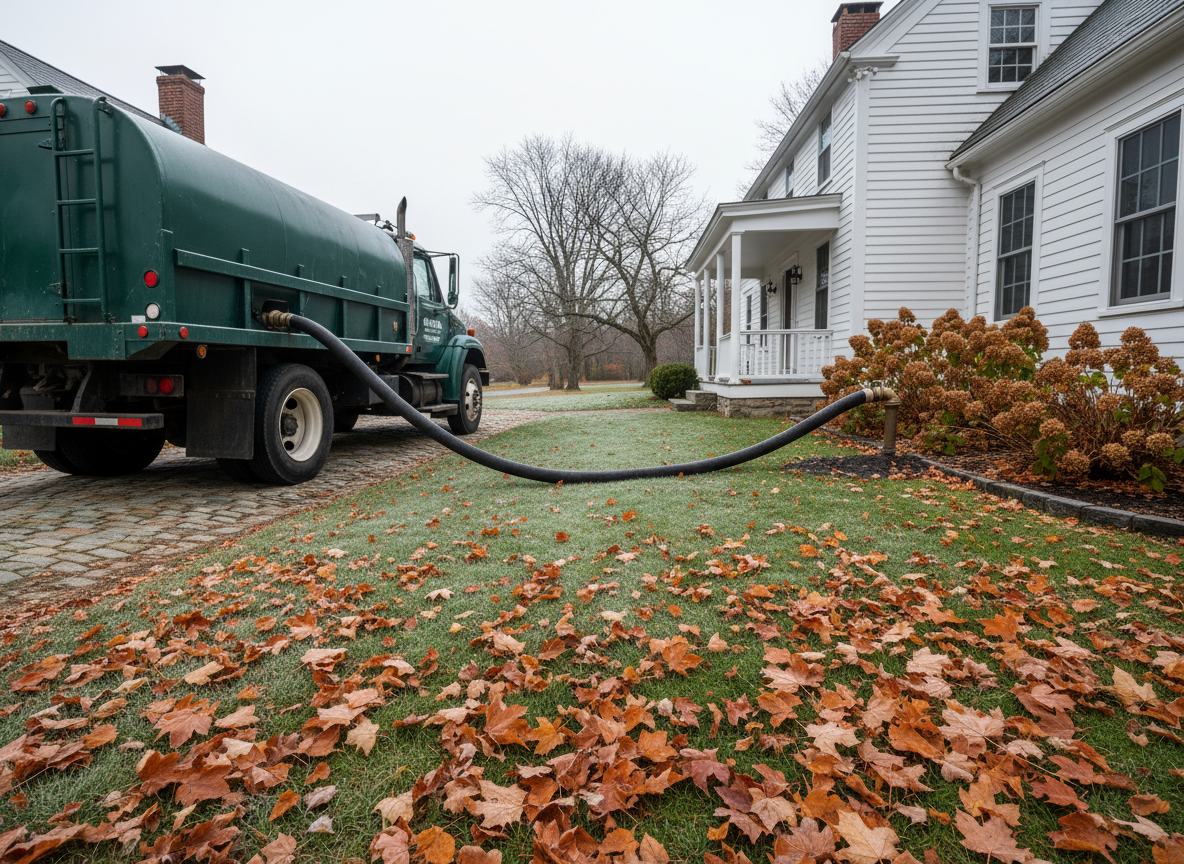
The federal government has released $3.6 billion in Low Income Home Energy Assistance Program (LIHEAP) money to states for the 2026–27 winter, one of the earliest releases in the program’s history. The aid arrives as heating oil in parts of the Northeast sells for close to $6 a gallon, roughly $2.50 more than a year ago.
Key takeaways
- HHS has released $3.6 billion in LIHEAP funding for fiscal year 2027, about 90% of the program’s full-year amount under current federal funding law.
- Last winter, a government shutdown delayed the money until after Thanksgiving; this year states such as Maine and Connecticut received their shares in early October.
- Benefits are paid directly to your fuel dealer or utility and typically cover part of a winter’s bill, not all of it, so applying early matters.
What happened
LIHEAP is the main federal program that helps lower-income households pay for heating and cooling. Washington sends the money to states, tribes and territories as block grants, and local agencies (often community action agencies) decide who qualifies and pay benefits directly to energy suppliers.
The U.S. Department of Health and Human Services’ Office of Community Services has now released $3.6 billion for fiscal year 2027, which began on October 1. According to the American Public Power Association, that equals 90% of the annualized LIHEAP amount under the Continuing Appropriations and Extensions Act, 2027, the stopgap funding law passed this summer. The association noted that the law did not specifically require an early release; without one, states would have received the money in monthly slices. If the government runs under a continuing resolution all year, the remaining 10% would still have to be released later.
The timing is a sharp change from last winter, when funds did not reach states until after Thanksgiving because of the federal shutdown. In September, 31 senators urged HHS to move quickly. On October 9, Sen. Susan Collins, who chairs the Senate Appropriations Committee, announced that Maine would receive about $36.7 million, plus roughly $1.4 million for five tribal nations in the state. In Connecticut, Rep. Rosa DeLauro said $75.3 million of the roughly $94 million the state expects was released the same week, and Gov. Ned Lamont announced on October 13 that the state would add $12.7 million of its own money.
The backdrop is expensive fuel. Connecticut’s Department of Energy and Environmental Protection puts the average heating oil price at $5.88 a gallon, up nearly $2.50 from a year earlier. In New York’s Mid-Hudson Valley, local reports put the average above $6.25.
What it means for your bill
Early money mainly helps households that heat with oil or propane. These fuels must be paid for in advance, one delivery at a time, so a late benefit can mean a half-empty tank in November. Here is how the numbers work for a typical oil-heated home in Connecticut, using the state’s published figures:
- Filling a 275-gallon tank today: 275 × $5.88 = about $1,617.
- The same fill a year ago (about $2.50 cheaper per gallon, or roughly $3.38): 275 × $3.38 = about $930. That is roughly $690 more per tank.
- A top base benefit of $705 buys about 120 gallons at $5.88 ($705 ÷ $5.88), a bit under half a tank.
- Adding two crisis payments of up to $430 each brings the maximum to $1,565, enough for about 266 gallons, or nearly one full tank.
Those are maximums. Connecticut’s base benefits range from $355 to $705 depending on need, and many households heating with oil use three or more tanks in a cold winter. For the first time, Connecticut will bundle base and crisis payments so eligible households can fill their tanks at the start of the season. Benefit sizes, income limits and opening dates differ from state to state, so check your own state’s rules.
For households with natural gas or electric heat, the effect is usually a credit on the utility account rather than a fuel delivery. It does not change the rates you pay, but it can lower what you owe during the most expensive months.
What you can do
- Apply now. Many states pay on a first-come basis until money runs out. Search for your state’s LIHEAP office or call your local community action agency. Older adults, people with disabilities and families with young children often get priority windows.
- Check eligibility even if you think you earn too much. Limits vary widely: Connecticut uses 60% of state median income (about $93,700 a year for a family of four), and households on SNAP or SSI may qualify automatically.
- Talk to your fuel dealer or utility. Ask about budget plans, price caps or payment arrangements. Our guide to budget billing pros and cons explains the trade-offs.
- Cut the gallons you need. Sealing drafts and lowering the thermostat at night stretch every delivery further. See our 15 practical tips to save on heating this winter. Many states also offer free weatherization for LIHEAP-eligible households.
Sources
- American Public Power Association: HHS releases $3.6 billion in FY 2027 LIHEAP funding (Oct. 13, 2026)
- Office of Sen. Susan Collins: release of more than $38 million in home heating aid for Maine (Oct. 9, 2026)
- CT Mirror: Lamont to bolster heating assistance using CT contingency fund (Oct. 13, 2026)
- WFSB: State releases millions in additional heating aid as winter approaches (Oct. 13, 2026)
- Mid Hudson News: Home heating oil prices soar (Oct. 14, 2026)
Written by The Daily Economy editorial team with AI assistance and checked against the sources above. Read our editorial policy.